Israel's Iran Strike: Decoding the Limited Retaliation
The volatile landscape of the Middle East was once again thrust into the global spotlight following Israel's calculated drone strike on Iran on April 19, 2024. This incident, reportedly involving small drones targeting an air base near Isfahan, was widely interpreted as a direct response to Iran's unprecedented missile and drone barrages against Israel just six days prior. While the world braced for a full-scale regional conflagration, the limited nature of Israel's retaliation has sparked intense analysis, revealing intricate strategic calculations behind what might seem like a restrained counter-attack. Understanding the nuanced layers of these recent events is crucial to decoding the future trajectory of
Israel-Iran attack plans and regional stability.
The Anatomy of a Message: Israel's Isfahan Operation
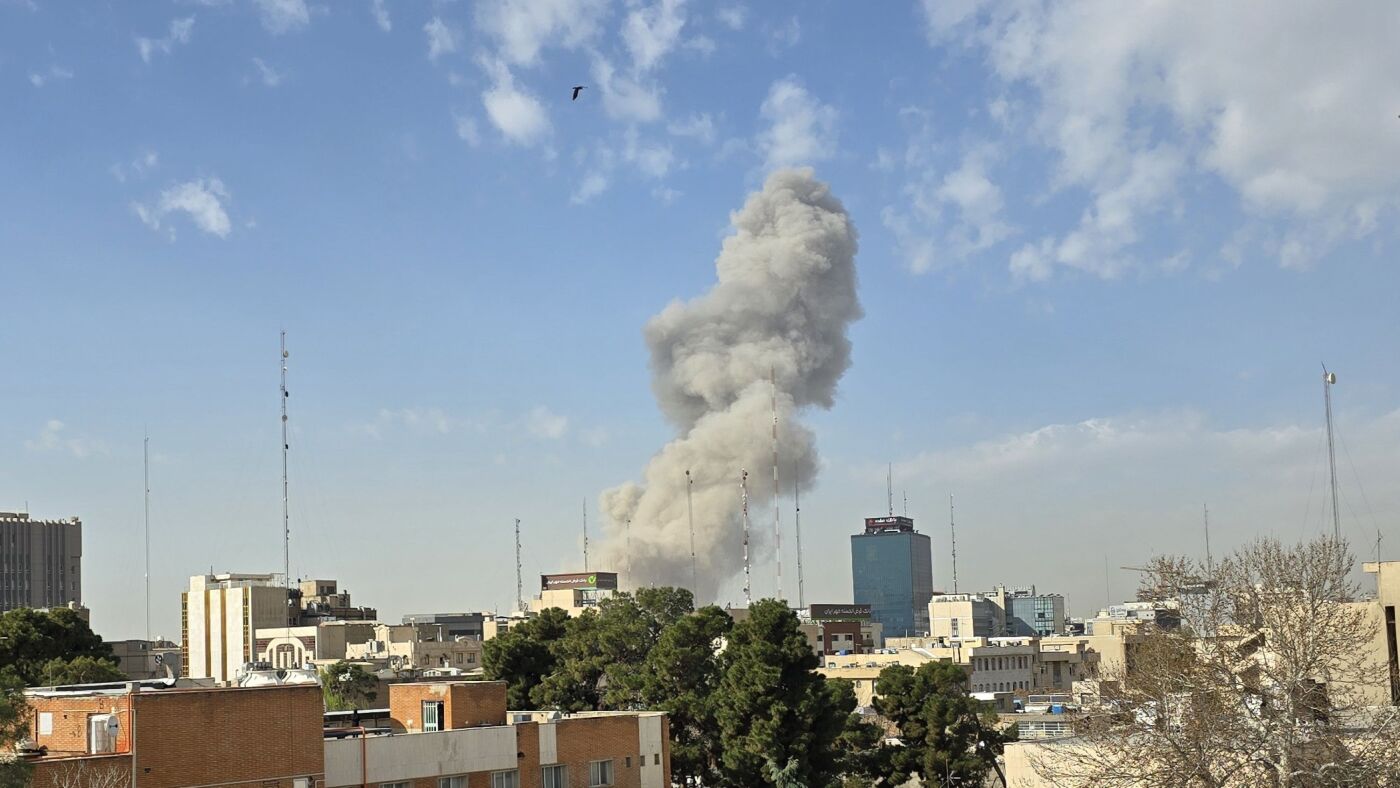
On April 19, reports emerged of drones striking an area near Isfahan, a central Iranian city housing a significant air base, missile production facilities, and nuclear sites. According to U.S. officials, the operation was Israeli. Iranian state media, while acknowledging the incident, downplayed its severity, claiming air defense systems successfully intercepted three small drones and that no significant damage occurred. However, Western intelligence sources indicated a different narrative: this was a deliberate, limited operation.
Key takeaways from the Isfahan strike:
- Target Selection: The choice of an air base near Isfahan, a city with strategic military and nuclear importance, was symbolic. It demonstrated Israel's capability to penetrate Iranian airspace and strike sensitive locations, even if the primary goal was not widespread destruction.
- Methodology: The use of small drones, rather than ballistic missiles or manned aircraft, allowed for plausible deniability and a lower-escalation footprint. It signaled a precise, localized strike rather than a broad assault.
- Damage Assessment: While Iran reported minimal damage, intelligence sources suggest the intent was never mass destruction. Instead, the operation was designed to send a clear message: "We can reach you, and we chose not to inflict maximum damage, but we could." This subtle threat is a cornerstone of strategic deterrence.
- Strategic Ambiguity: Israel maintained its longstanding policy of neither confirming nor denying its involvement. This ambiguity allows both sides a degree of flexibility in managing the narrative and potentially de-escalating, preventing Iran from feeling compelled to launch an even larger counter-retaliation. However, hints from Israeli officials of a successful, contained response underscored the operation's deliberate nature.
This carefully calibrated response stands in stark contrast to the massive scale of Iran's preceding assault, suggesting a calculated strategy rather than an unbridled thirst for vengeance. It forced observers to scrutinize not just the immediate actions, but the underlying
Israel-Iran attack plans and counter-plans at play.
Tracing the Escalation Cycle: From Damascus to Tehran
To fully comprehend Israel's limited strike, it's essential to rewind through the recent spiral of retaliations. The current escalation cycle began on April 1, 2024, with an alleged Israeli airstrike on Iran's consulate in Damascus, Syria. This attack killed several high-ranking Iranian military commanders, including Brigadier General Mohammad Reza Zahedi of the Islamic Revolutionary Guard Corps (IRGC) Quds Force. Israel, adhering to its policy of strategic ambiguity, did not officially confirm its involvement.
Iran, however, viewed the Damascus strike as a direct assault on its sovereign territory and vowed retaliation. On April 13, Iran unleashed an unprecedented barrage of over 300 drones and missiles towards Israel. While most were intercepted by Israel and its allies (including the U.S., UK, France, and Jordan), the sheer volume and direct nature of the attack marked a significant departure from Iran's usual reliance on proxy forces. Iran declared the operation, dubbed "True Promise," as a legitimate act of self-defense, warning against any further Israeli aggression.
The international community reacted with alarm, urging de-escalation. Many feared that Israel's inevitable response could ignite a broader regional conflict, drawing in global powers. It was against this backdrop of heightened tension and global pressure that Israel's limited strike on Isfahan occurred. The question then became: Why such restraint after such a provocative attack from Iran? What did Israel's attack plans aim to achieve in this complex environment?
Decoding the Intent: Why "Limited Retaliation"?
The strategic thinking behind Israel's limited response appears multifaceted, aiming to achieve several critical objectives without triggering an uncontrollable escalation. Analyzing the decision-making process offers valuable insights into the ongoing dynamics of
Israel-Iran attack plans.
- Deterrence without Provocation: Israel needed to demonstrate its capability and resolve to respond to direct attacks on its territory. Failure to respond would have been perceived as weakness, eroding its deterrence posture. However, a disproportionate strike could have pushed Iran into a corner, compelling an even larger counter-retaliation and triggering a full-blown war. The Isfahan strike showed Israel could strike Iran, but chose restraint.
- International Pressure Management: Global leaders, particularly the U.S., exerted immense pressure on Israel to de-escalate. A major retaliatory strike would have defied these calls and potentially strained crucial alliances. The limited nature of the response allowed Israel to claim it had defended itself while appearing to heed international calls for restraint.
- Avoiding a Multi-Front War: Israel is already engaged in a conflict in Gaza and faces ongoing threats from Hezbollah in Lebanon and other Iranian-backed proxies. Opening another major front directly with Iran would stretch its military resources and potentially expose its civilian population to severe threats from Iran's extensive missile arsenal. Israel's attack plans carefully weigh these complex scenarios.
- Giving Iran an Off-Ramp: By inflicting minimal damage and maintaining ambiguity, Israel provided Iran with an opportunity to also declare "mission accomplished" on its retaliation cycle and step back from further escalation. Iran's downplaying of the strike's severity suggests it took this off-ramp, for now. This mutual desire to avoid an all-out war is a critical, albeit fragile, element of regional stability.
- Message to the Iranian Regime: The strike served as a direct message to Tehran's leadership, bypassing the need for public statements. It communicated that Israel possesses intelligence and operational capabilities to reach deep inside Iran, even its most sensitive areas, and choose its targets. This internal threat perception could influence future Iranian aggression.
Understanding these calculations is key to deciphering what many experts refer to as "managed escalation" – a dangerous dance where each side tries to gain an advantage or send a message without crossing the threshold into outright war.
The Enduring Shadow: Decades of Conflict and Future Implications
The recent exchange is not an isolated incident but a high-stakes chapter in a decades-long rivalry rooted in deep ideological differences, geopolitical competition, Iran's nuclear ambitions, and its extensive network of regional proxy groups. Both Israel and Iran view each other as existential threats, fueling a shadow war that occasionally erupts into direct, albeit often limited, confrontations. This enduring conflict informs every aspect of their respective
israel iran attack plans.
Key factors underpinning the conflict:
- Ideological Divide: Iran's Islamic Revolution fundamentally opposes Israel's existence, while Israel views Iran's rhetoric and actions as a direct threat to its security.
- Nuclear Program: Iran's pursuit of nuclear capabilities is a primary concern for Israel, which views a nuclear-armed Iran as an unacceptable security risk.
- Regional Proxies: Iran's support for groups like Hezbollah in Lebanon, Hamas in Gaza, and various militias in Syria and Iraq provides it with strategic depth and means to project power, but also creates friction points with Israel.
- Hegemonic Ambitions: Both nations seek to assert influence in the Middle East, often leading to proxy conflicts across the region.
Looking ahead, the situation remains extremely volatile. While the immediate aftermath of the Isfahan strike saw a de-escalation of direct hostilities, the underlying tensions persist. Any miscalculation, a new incident, or a significant shift in regional dynamics could easily reignite the cycle of retaliation. The focus now firmly shifts to diplomatic efforts, track-two dialogues, and international pressure to cool tensions and prevent a larger conflict in a region already grappling with multiple crises. The delicate balance achieved through limited retaliation is a temporary reprieve, not a resolution.
Conclusion
Israel's limited drone strike on Iran, following Iran's unprecedented missile barrage, serves as a potent case study in strategic deterrence and managed escalation. Far from an act of unbridled revenge, it appears to be a carefully calculated move designed to reassert deterrence without igniting a full-scale regional war. By understanding the intricacies of target selection, methodology, and the implicit messaging, one can better decode the complex
Israel-Iran attack plans and the delicate balance of power in the Middle East. While the immediate crisis appears to have subsided, the fundamental antagonisms endure, ensuring that the world will remain vigilant for the next chapter in this enduring, high-stakes rivalry. The present calm is tenuous, highlighting the urgent need for sustained diplomatic engagement to prevent the volatile region from spiraling into an even greater catastrophe.